
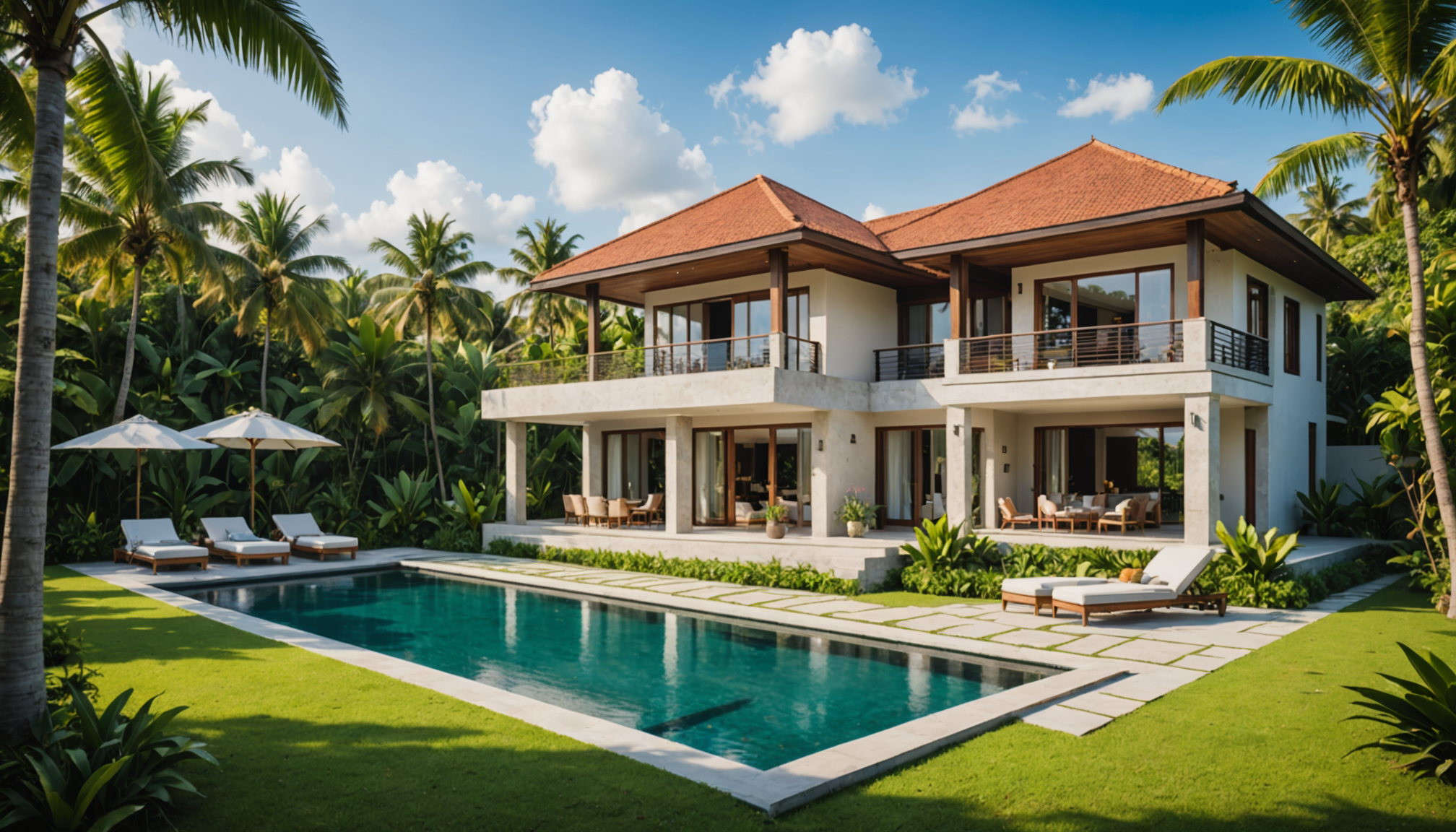
Bali has become one of the world’s most attractive destinations for luxury villa development. The island continues attracting international investors, hospitality operators, expatriates, digital entrepreneurs, and lifestyle-focused property buyers seeking premium real estate opportunities in one of Southeast Asia’s most established tourism markets.
Luxury villas have evolved beyond simple residential properties. Today, they function as investment assets, hospitality accommodations, lifestyle destinations, wellness retreats, and long-term wealth preservation vehicles. As competition increases and guest expectations continue evolving, successful villa developments require much more than attractive architecture. They demand strategic planning, engineering excellence, sustainability integration, operational efficiency, and professional project execution.
Whether the objective is developing a private residence, rental villa, boutique hospitality asset, or integrated villa estate, understanding the critical factors that influence villa construction success is essential for maximizing long-term investment performance and asset value.
Industry Overview
The Bali villa market has experienced significant growth over the past decade. Demand is driven by international tourism, remote working trends, lifestyle migration, wellness tourism, and increasing interest in experiential travel.
Luxury villas are particularly popular in destinations such as Canggu, Uluwatu, Ubud, Seminyak, Jimbaran, Sanur, Nusa Dua, and emerging areas across the island. Investors are attracted by the potential for rental income, capital appreciation, and long-term asset diversification.
However, successful projects require careful planning because development costs, regulatory requirements, operational expectations, and sustainability considerations continue becoming more sophisticated.
The Growing Appeal of Luxury Villa Investments
Tourism Demand
Bali remains one of Asia’s leading tourism destinations, creating ongoing demand for high-quality accommodation options.
Lifestyle Trends
Remote working, wellness tourism, and long-stay travel patterns continue supporting villa market growth.
Investment Diversification
Real estate remains an attractive asset class for investors seeking diversification and long-term value creation.
Site Selection and Development Strategy
Location Analysis
The success of a luxury villa project often begins with location selection. Accessibility, views, surrounding amenities, tourism demand, and infrastructure availability all influence long-term performance.
Topography and Site Conditions
Site characteristics affect construction complexity, engineering requirements, development costs, and architectural opportunities.
Future Growth Potential
Understanding local development trends can help investors identify areas with strong appreciation potential.
Architectural Design Considerations
Tropical Architecture Principles
Successful villa designs respond to Bali’s climate through natural ventilation, daylight utilization, shading strategies, and landscape integration.
Guest Experience Design
Luxury villas should prioritize comfort, privacy, functionality, and memorable experiences.
Cultural and Environmental Integration
Designs that incorporate local influences often create stronger destination identities and guest appeal.
Engineering and Infrastructure Planning
Structural Engineering
Structural systems must address seismic considerations, environmental loads, and long-term durability requirements.
Mechanical Systems
Air conditioning, ventilation, and water systems play critical roles in guest comfort and operational performance.
Electrical Infrastructure
Reliable power systems support daily operations, technology integration, and future expansion requirements.
Utility Coordination
Water supply, wastewater treatment, telecommunications, and drainage infrastructure require early planning and integration.
Sustainability Strategies
Energy Efficiency
Energy-efficient building systems can reduce operational costs while improving environmental performance.
Renewable Energy Opportunities
Solar energy systems are increasingly incorporated into villa developments throughout Bali.
Water Conservation
Rainwater harvesting, efficient plumbing fixtures, and wastewater reuse systems support sustainability objectives.
Sustainable Materials
Material selection influences environmental impacts, maintenance requirements, and long-term asset performance.
Construction Planning and Delivery
Design-Build Approaches
Integrated design-build delivery improves communication, coordination, cost control, and project efficiency.
Construction Scheduling
Realistic scheduling helps manage risks and improve project outcomes.
Quality Assurance
Comprehensive quality management systems support long-term asset value and guest satisfaction.
Cost Planning and Budget Management
Development Budgets
Villa developments should incorporate land acquisition, design services, construction costs, infrastructure investments, furnishings, and contingency allowances.
Value Engineering
Cost optimization strategies can improve efficiency without compromising quality.
Lifecycle Cost Considerations
Long-term operational expenses should be considered alongside initial construction costs.
Operational Planning
Rental Villa Operations
Many luxury villas operate as hospitality assets requiring professional management systems.
Maintenance Programs
Proactive maintenance strategies help protect long-term asset performance.
Technology Integration
Smart villa technologies increasingly support operational efficiency and guest experiences.
Construction Challenges in Bali
Material Procurement
Premium developments often require specialized materials and imported products.
Site Accessibility
Remote or hillside locations may create logistical challenges.
Regulatory Requirements
Developers must comply with applicable planning, environmental, and construction regulations.
Environmental Conditions
Coastal environments, rainfall patterns, and tropical conditions influence design and construction decisions.
Project Risks
Budget Risks
Material price fluctuations and scope changes may affect project costs.
Schedule Risks
Permitting delays, procurement challenges, and weather conditions may affect timelines.
Operational Risks
Poor planning can negatively affect guest experiences and investment performance.
Market Risks
Tourism trends and economic conditions may influence demand and occupancy levels.
The Importance of Selecting the Right Construction Partner
Multidisciplinary Expertise
Luxury villa developments require collaboration among architects, engineers, contractors, project managers, and hospitality specialists.
Local Knowledge
Understanding Bali’s development environment helps improve project outcomes and reduce risks.
Integrated Project Delivery
Design-build approaches often improve coordination and overall project performance.
Organizations active within Bali’s construction industry, including Umira Sinergi Global, support villa developments through architectural coordination, engineering integration, project management, construction execution, and design-build delivery strategies that help transform investment concepts into successful built assets.
Best Practices
- Perform comprehensive site and feasibility analysis.
- Integrate architecture and engineering from project inception.
- Prioritize sustainability and operational efficiency.
- Develop realistic budgets and schedules.
- Implement formal quality management procedures.
- Utilize integrated design-build delivery methods.
- Plan for long-term maintenance and asset management.
- Maintain proactive risk management frameworks.
Future Outlook
The future of luxury villa construction in Bali will increasingly focus on sustainability, wellness-oriented design, smart technologies, operational efficiency, and experiential hospitality concepts. Investors who successfully integrate these trends into development planning will be better positioned to create resilient, high-performing assets.
Conclusion
Luxury villa construction in Bali offers significant opportunities for investors seeking exposure to one of Asia’s most dynamic tourism and lifestyle markets. However, success depends on careful planning, engineering excellence, sustainability integration, financial discipline, and professional project delivery.
Developments that successfully combine these elements can generate long-term value through strong guest experiences, operational efficiency, and sustainable investment performance.

Leave a Reply