
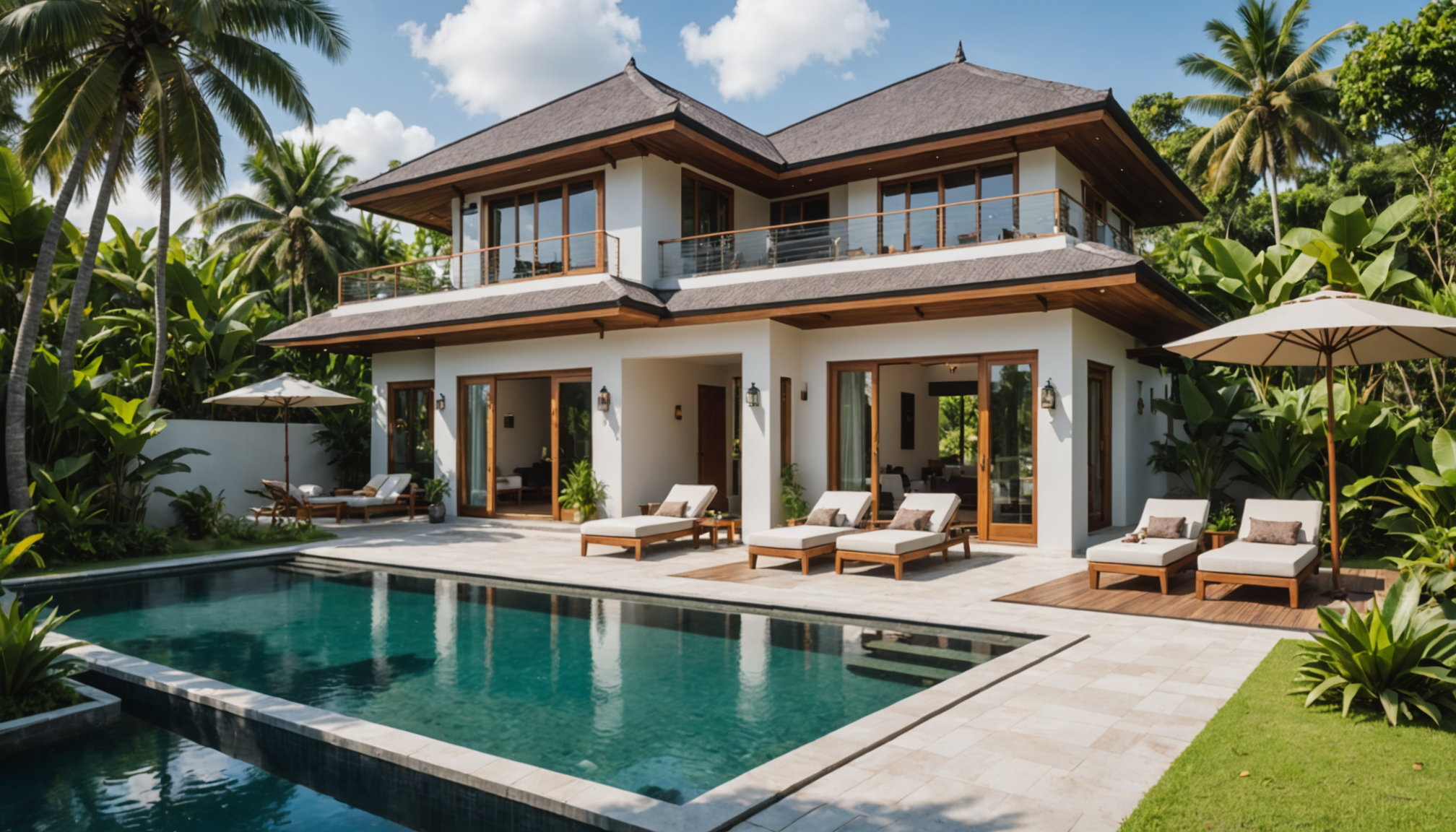
Bali has become one of Southeast Asia’s most active destinations for hospitality, residential, commercial, and tourism-related development. From luxury villas overlooking rice terraces to world-class beachfront resorts, boutique hotels, restaurants, wellness centers, mixed-use developments, and commercial facilities, construction activity continues expanding across the island.
As projects become more sophisticated and investor expectations continue rising, traditional construction delivery methods are increasingly being challenged by complex coordination requirements, tight project schedules, budget pressures, sustainability objectives, and evolving regulatory frameworks. These challenges have contributed to growing interest in design build project delivery.
Design build is an integrated project delivery approach that combines design, engineering, and construction responsibilities within a single coordinated team. Rather than separating architects, engineers, and contractors into independent entities, design build creates a collaborative framework capable of improving communication, reducing project risks, accelerating delivery schedules, and enhancing overall project outcomes.
For investors, property developers, hospitality operators, and business owners planning projects in Bali, understanding the advantages of design build delivery can provide significant strategic benefits throughout the development lifecycle.
Industry Overview
Bali’s construction industry serves a diverse range of sectors including tourism, hospitality, luxury residential development, commercial real estate, retail facilities, wellness centers, educational institutions, and supporting infrastructure projects.
Unlike many urban construction markets, development projects in Bali often require careful integration of architecture, local cultural influences, environmental stewardship, infrastructure planning, and guest experience considerations. These factors increase project complexity and make effective coordination essential.
The Growth of Integrated Project Delivery
Globally, design build delivery has become increasingly popular because it helps streamline project execution while reducing inefficiencies associated with fragmented project structures.
Bali’s Evolving Development Landscape
Areas such as Canggu, Uluwatu, Ubud, Seminyak, Sanur, Nusa Dua, Jimbaran, and surrounding growth corridors continue attracting significant investment in tourism and real estate development.
These developments frequently require multidisciplinary expertise spanning architecture, engineering, environmental planning, infrastructure development, and construction execution.
What Is Design Build Construction?
Single Point of Responsibility
One of the defining characteristics of design build delivery is the creation of a single point of responsibility for both design and construction activities.
This structure improves accountability and reduces disputes between consultants and contractors.
Collaborative Project Delivery
Architects, engineers, construction managers, and contractors work together throughout the project lifecycle rather than operating in separate phases.
Integrated Decision-Making
Project decisions can be evaluated from both design and construction perspectives simultaneously.
Why Design Build Is Growing in Bali
Faster Project Delivery
Construction activities can begin earlier because design and construction phases overlap more effectively than traditional delivery methods.
Improved Cost Control
Early contractor involvement allows construction costs to be evaluated throughout the design process.
Reduced Coordination Challenges
Integrated teams improve communication and reduce project fragmentation.
Better Risk Management
Potential construction challenges can often be identified and addressed before they affect schedules or budgets.
Applications Across Different Project Types
Luxury Villa Developments
Bali’s luxury villa sector benefits significantly from integrated design build delivery because projects often involve complex architectural features, premium finishes, landscape integration, and demanding client expectations.
Resort and Hospitality Projects
Resorts require coordination among accommodation facilities, recreational amenities, restaurants, wellness centers, utility systems, and operational infrastructure.
Hotel Developments
Hotels involve sophisticated engineering systems, operational requirements, guest experience considerations, and regulatory compliance obligations.
Commercial Construction
Retail centers, office buildings, restaurants, and mixed-use developments also benefit from integrated delivery approaches.
Architectural Planning and Design Integration
Concept Development
Successful projects begin with a clear understanding of project goals, site characteristics, operational requirements, and investment objectives.
Design Optimization
Design build teams continuously evaluate solutions based on aesthetics, constructability, budget requirements, and operational performance.
Local Context Integration
Projects in Bali often incorporate architectural elements inspired by local culture, climate conditions, and environmental characteristics.
Engineering Coordination Requirements
Structural Engineering
Structural systems must address seismic conditions, environmental loads, and long-term durability requirements.
Mechanical Engineering
HVAC systems, ventilation solutions, and specialized mechanical infrastructure play critical roles in hospitality and commercial developments.
Electrical Engineering
Electrical infrastructure must support operational requirements, energy efficiency goals, and future expansion opportunities.
Plumbing Engineering
Water supply systems, wastewater infrastructure, and sustainability initiatives require careful engineering coordination.
Construction Management Advantages
Improved Scheduling
Integrated project teams can develop more realistic schedules that account for both design and construction requirements.
Quality Control
Continuous collaboration improves quality assurance throughout project execution.
Procurement Efficiency
Material procurement strategies can be aligned with design development activities.
Cost Planning and Budget Management
Early Cost Visibility
Project costs are evaluated continuously during design development rather than after designs are completed.
Value Engineering Opportunities
Integrated teams can identify cost-effective alternatives without compromising project quality.
Budget Risk Reduction
Ongoing cost evaluations help reduce unexpected budget increases.
Utility Infrastructure Integration
Electrical Infrastructure Planning
Reliable power systems support operational performance and long-term asset value.
Water Management Systems
Water supply, wastewater treatment, and conservation initiatives should be integrated during project planning.
Digital Infrastructure
Modern developments increasingly require advanced telecommunications and smart building technologies.
Sustainability Strategies
Energy Efficiency
Integrated design teams can optimize building performance through passive design strategies and efficient systems.
Renewable Energy Opportunities
Solar technologies and other renewable energy solutions continue becoming more attractive throughout Bali.
Water Conservation Programs
Sustainable water management strategies support both environmental and operational objectives.
Environmentally Responsible Materials
Material selection influences lifecycle performance, maintenance requirements, and environmental impacts.
Construction Challenges in Bali
Logistics and Transportation
Material delivery and supply chain management can affect project schedules and costs.
Workforce Availability
High-quality construction requires access to skilled trades and experienced project personnel.
Regulatory Compliance
Projects must comply with local permitting, zoning, environmental, and building regulations.
Site Constraints
Topography, access limitations, and environmental conditions often create unique project challenges.
Project Risks
Budget Escalation Risks
Material prices, labor costs, and market conditions may affect project budgets.
Schedule Risks
Weather conditions, permitting delays, and procurement challenges can influence delivery timelines.
Quality Risks
Poor coordination can affect construction quality and long-term asset performance.
Operational Risks
Design decisions should consider future operational requirements and maintenance obligations.
The Importance of Selecting the Right Design Build Partner
Multidisciplinary Expertise
Successful design build delivery requires expertise across architecture, engineering, construction management, procurement, and project execution.
Local Market Knowledge
Understanding Bali’s regulatory environment, construction practices, supply chains, and development conditions can significantly improve project outcomes.
Communication and Transparency
Clear communication processes help maintain alignment among stakeholders throughout project delivery.
Organizations operating within Bali’s construction sector, including Umira Sinergi Global, contribute to integrated project delivery by combining engineering coordination, construction expertise, project management capabilities, and design-build approaches that support successful villa, resort, hotel, commercial, and infrastructure developments.
Best Practices for Design Build Success
- Define project objectives clearly from the beginning.
- Engage multidisciplinary expertise early.
- Prioritize realistic budgeting and scheduling.
- Integrate sustainability objectives during planning.
- Conduct thorough site assessments.
- Implement proactive risk management practices.
- Maintain strong stakeholder communication.
- Focus on long-term operational performance.
Future Outlook
The future of construction in Bali is expected to become increasingly integrated, technology-driven, and sustainability-focused. Investors and developers are placing greater emphasis on efficient project delivery, environmental performance, digital technologies, and lifecycle value.
Design build delivery is well positioned to support these evolving requirements by creating stronger collaboration among project stakeholders while improving efficiency, quality, and project outcomes.
Conclusion
Design build services offer significant advantages for villa, resort, hotel, and commercial construction projects throughout Bali. By integrating architecture, engineering, construction management, and project delivery into a unified framework, developers can improve coordination, reduce risks, control costs, and achieve better long-term results.
As Bali continues attracting investment across hospitality, tourism, residential, and commercial sectors, design build approaches will likely play an increasingly important role in delivering successful and sustainable development projects.

Leave a Reply