
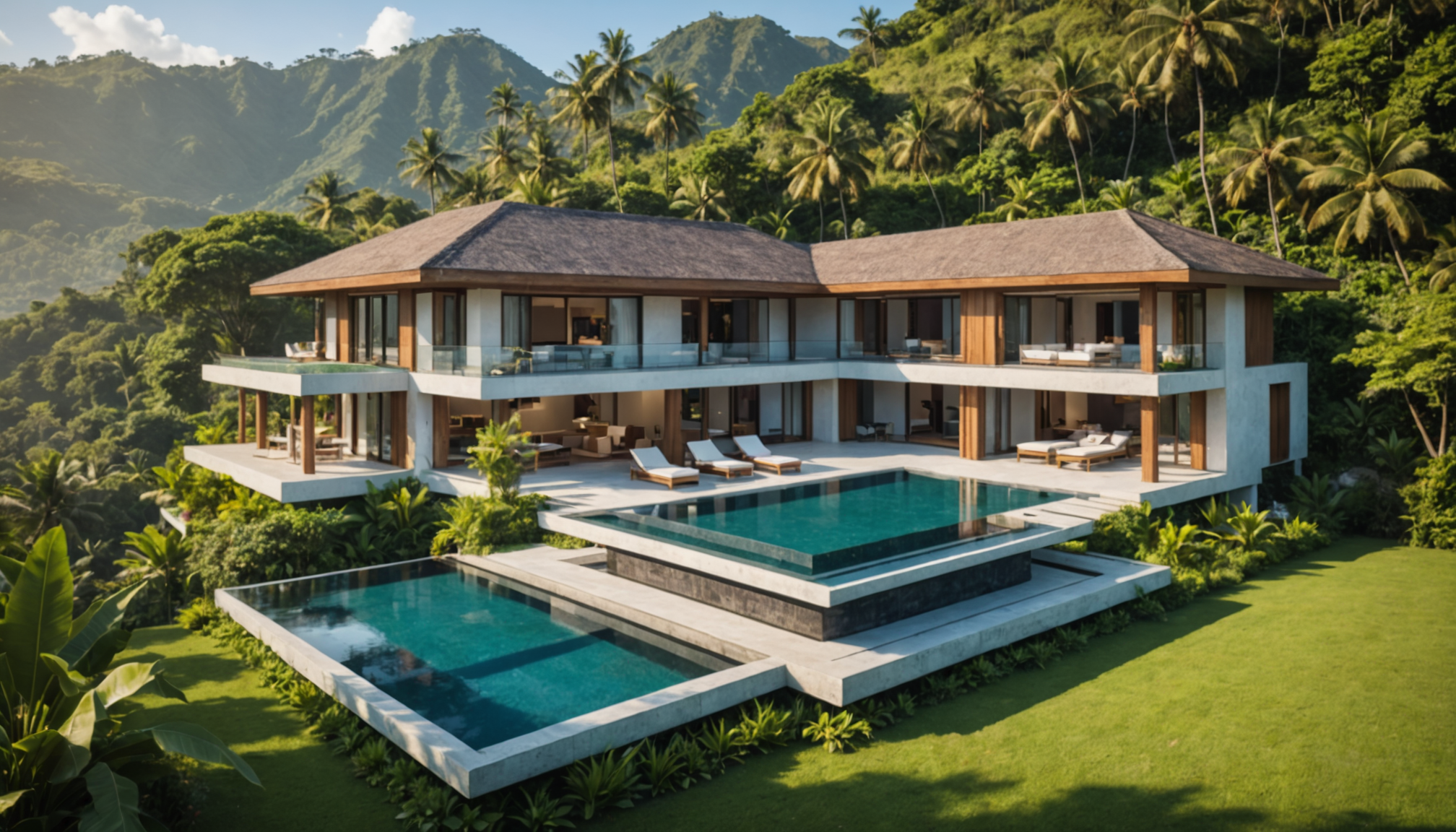
Bali and Lombok have become two of Indonesia’s most attractive destinations for luxury villa development. Driven by strong tourism demand, growing interest in lifestyle investments, remote working trends, and increasing international exposure, villa construction continues attracting developers, investors, hospitality operators, and private property owners seeking long-term asset growth.
Unlike conventional residential projects, luxury villa developments require a careful balance between architectural aesthetics, engineering performance, environmental sustainability, operational efficiency, and guest experience. Successful projects are not determined solely by attractive designs but by the ability to create properties that remain functional, durable, profitable, and desirable for years to come.
As competition continues increasing across Bali and Lombok, developers must adopt strategic planning approaches that integrate design excellence, quality construction, efficient infrastructure, sustainability initiatives, and future-ready technologies.
This article explores the key considerations, opportunities, risks, and best practices associated with luxury villa construction in Bali and Lombok.
Industry Overview
The luxury villa market has evolved significantly over the past decade. Modern travelers increasingly seek private accommodations that offer personalized experiences, greater privacy, wellness amenities, and authentic connections to local culture and natural surroundings.
In Bali, destinations such as Canggu, Uluwatu, Seminyak, Ubud, Sanur, and Nusa Dua continue attracting villa investments. Meanwhile, Lombok has experienced growing interest in areas such as Senggigi, Kuta Mandalika, Selong Belanak, and other emerging tourism zones.
The increasing popularity of short-term rental platforms, boutique hospitality concepts, and lifestyle-driven tourism has further strengthened demand for professionally developed villas.
The Shift Toward Premium Experiences
Luxury travelers increasingly prioritize unique experiences rather than simply accommodation quality. Villas are expected to deliver comfort, privacy, wellness facilities, outdoor living spaces, and high-quality design.
Growing International Interest
Bali remains one of the most recognized tourism destinations globally, while Lombok continues emerging as a complementary destination offering natural beauty, lower development density, and significant growth potential.
Market Drivers Supporting Villa Development
Tourism Growth
Domestic and international tourism continue driving demand for premium accommodation options across Bali and Lombok.
Remote Working Trends
Digital nomads and location-independent professionals increasingly seek long-term villa rentals that combine work, lifestyle, and leisure.
Lifestyle Investments
Investors are increasingly viewing villas as hybrid assets capable of generating rental income while providing personal usage opportunities.
Infrastructure Improvements
Road improvements, airport development, telecommunications upgrades, and tourism infrastructure investments continue supporting property development opportunities.
Site Selection Considerations
Accessibility
Proximity to airports, tourism attractions, beaches, restaurants, and supporting amenities significantly influences property value and occupancy performance.
Topography
Hillside, beachfront, and elevated sites often provide attractive views but may require additional engineering solutions and construction considerations.
Environmental Conditions
Developers must evaluate drainage, erosion potential, seismic conditions, coastal influences, and environmental sensitivities before project implementation.
Future Area Development
Understanding future infrastructure projects and regional development plans can help identify long-term investment opportunities.
Master Planning Strategies
Land Utilization Efficiency
Effective master planning maximizes usable space while preserving privacy, views, landscaping, and outdoor living areas.
Guest Experience Flow
Movement throughout the property should feel intuitive while supporting comfort, functionality, and operational efficiency.
Expansion Flexibility
Projects should consider future enhancements such as additional villas, wellness facilities, restaurants, or recreational amenities.
Architectural Design Principles
Tropical Architecture
Designs should respond to local climate conditions by maximizing airflow, shading, and natural ventilation.
Local Cultural Integration
Incorporating Balinese and Lombok design influences can strengthen project identity and create more authentic guest experiences.
Indoor-Outdoor Living Concepts
Luxury villas increasingly blur the boundaries between indoor and outdoor spaces to enhance guest comfort and connection with nature.
Engineering Requirements
Structural Engineering
Villa structures must address seismic considerations, site conditions, and long-term durability requirements.
Mechanical Systems
Efficient air conditioning, ventilation, and water systems contribute to guest satisfaction and operational efficiency.
Electrical Systems
Reliable electrical infrastructure supports lighting, appliances, security systems, automation technologies, and future expansion needs.
Plumbing Infrastructure
Well-designed plumbing systems improve reliability while supporting sustainability objectives.
Utility Infrastructure Planning
Water Supply Systems
Reliable water availability remains one of the most important considerations for villa developments in Bali and Lombok.
Wastewater Treatment Solutions
Proper wastewater management protects environmental resources while supporting regulatory compliance.
Backup Power Infrastructure
Backup systems help maintain operational continuity and improve guest satisfaction.
Technology Integration
Smart Villa Technologies
Automation systems allow guests to control lighting, air conditioning, security, and entertainment systems through digital interfaces.
Property Management Platforms
Digital systems help streamline reservations, maintenance activities, guest services, and operational reporting.
Security Technologies
Modern surveillance systems and access control solutions improve safety and operational management.
Sustainability Strategies
Renewable Energy Systems
Solar power installations are becoming increasingly attractive for reducing operational costs and environmental impacts.
Water Conservation Programs
Rainwater harvesting, efficient fixtures, and smart irrigation systems improve resource efficiency.
Sustainable Materials
Environmentally responsible materials contribute to both sustainability performance and long-term durability.
Landscape Integration
Native landscaping strategies help preserve local character while reducing maintenance requirements.
Construction Challenges
Remote Site Conditions
Some development locations may present logistical challenges related to material delivery and workforce access.
Material Availability
Premium construction materials may require specialized sourcing and procurement planning.
Workforce Quality
Luxury projects require skilled labor capable of delivering high-quality finishes and craftsmanship.
Environmental Compliance
Developers must ensure compliance with environmental regulations and permitting requirements.
Project Risks
Budget Escalation Risks
Material costs, labor expenses, and supply chain disruptions can influence project budgets.
Schedule Delays
Weather conditions, permitting processes, and procurement challenges may affect construction timelines.
Market Risks
Changes in tourism demand and market conditions can affect investment performance.
Operational Risks
Long-term property management quality directly influences asset performance and guest satisfaction.
Cost Considerations and Lifecycle Planning
Initial Capital Investment
Developers should evaluate land acquisition, construction costs, infrastructure requirements, and contingency allocations.
Operating Costs
Energy efficiency and infrastructure quality significantly influence long-term operating expenses.
Asset Preservation
Proactive maintenance programs help protect property value and improve lifecycle performance.
The Importance of Design-Build Project Delivery
Luxury villa developments require close collaboration among architects, structural engineers, MEP consultants, contractors, interior designers, landscape specialists, and project managers.
Integrated design-build approaches can improve communication, reduce project risks, streamline decision-making, and enhance construction quality. Companies active in design-build and construction sectors, including Umira Sinergi Global, contribute to successful project delivery through coordinated engineering, construction management, quality control, and project execution capabilities tailored to hospitality and residential developments.
Best Practices for Luxury Villa Development
- Perform comprehensive feasibility studies before land acquisition.
- Prioritize site-specific architectural and engineering solutions.
- Design for long-term operational efficiency.
- Integrate sustainability initiatives early in the planning process.
- Develop realistic budgets and contingency plans.
- Utilize experienced consultants and contractors.
- Implement strong quality assurance procedures.
- Plan for future maintenance and asset management.
Future Outlook
The luxury villa sector in Bali and Lombok is expected to remain attractive as tourism continues evolving toward personalized and experience-driven accommodation models. Demand for sustainable, technologically advanced, and professionally managed properties is likely to increase.
Developers who successfully combine design excellence, engineering quality, sustainability strategies, and operational efficiency will be best positioned to capture future market opportunities.
Conclusion
Luxury villa construction in Bali and Lombok presents significant opportunities for investors, developers, and hospitality operators. However, long-term success depends on strategic planning, engineering excellence, construction quality, sustainability integration, and effective project management.
Projects that prioritize these elements can create valuable assets that support tourism growth, deliver exceptional guest experiences, and generate sustainable long-term returns.

Leave a Reply