

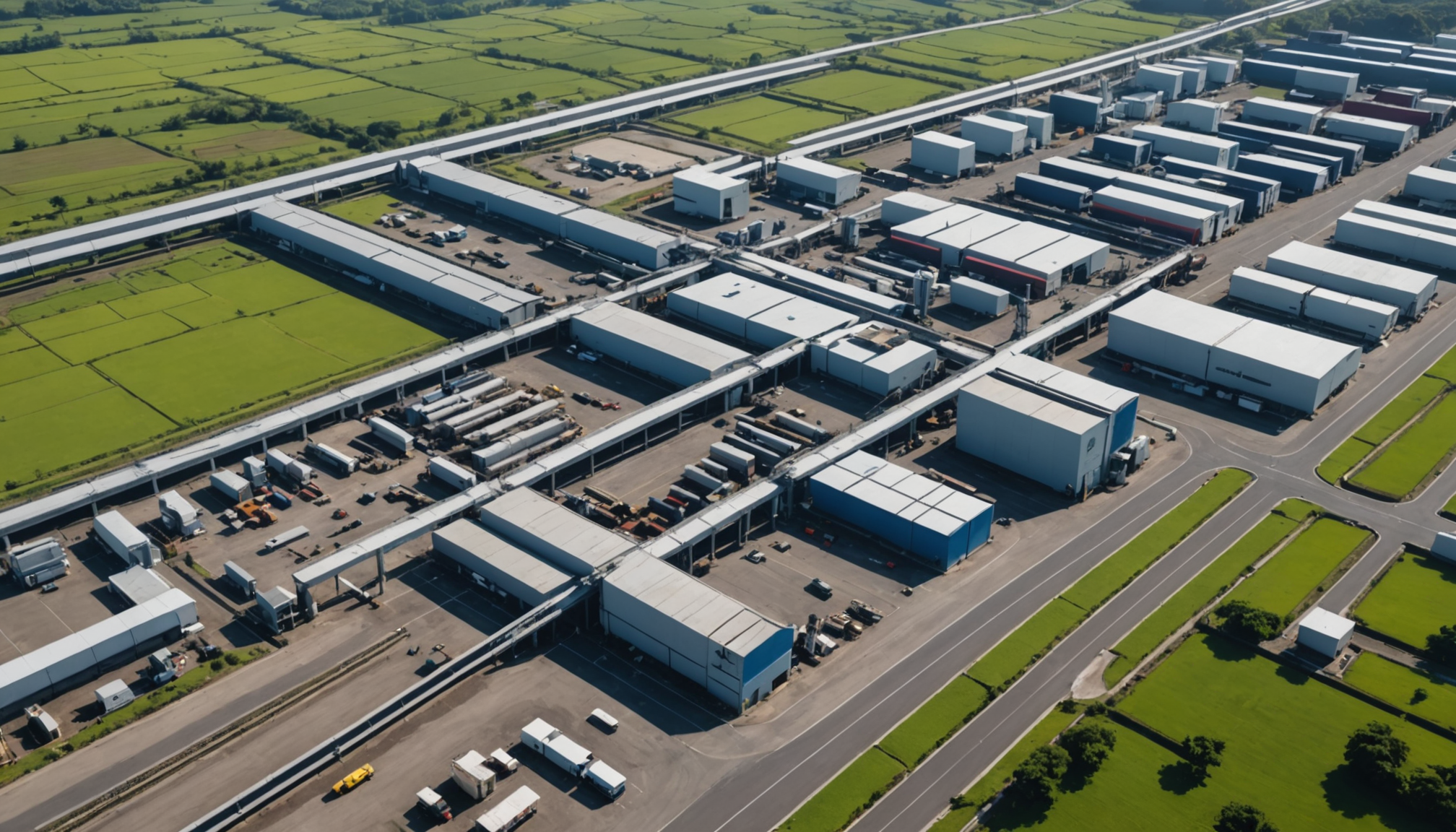
Utility infrastructure is one of the most critical components of industrial estate development. Regardless of whether a facility supports manufacturing operations, warehousing, logistics services, food processing, export-oriented production, or technology-driven industries, long-term operational performance depends heavily on the availability, reliability, and scalability of utility systems.
As Bali and Lombok continue diversifying their economies beyond tourism, industrial and logistics developments are attracting increasing attention from investors. Industrial estates, logistics hubs, cold storage facilities, distribution centers, and processing facilities require utility infrastructure capable of supporting both current operational requirements and future growth.
Successful industrial developments begin with comprehensive utility planning. Poorly designed infrastructure can create operational bottlenecks, increase operating costs, limit expansion opportunities, and reduce investment attractiveness. By contrast, well-planned utility systems improve productivity, strengthen resilience, and support long-term competitiveness.
For a broader understanding of industrial estate development strategies, see Industrial Estate Development Strategies in Bali and Lombok for Sustainable Economic Growth and Long-Term Investment Success.
Industry Context
Industrial facilities have become increasingly dependent on reliable utility systems. Modern manufacturing operations often utilize automated production equipment, digital monitoring technologies, environmental control systems, and advanced logistics solutions that require consistent infrastructure support.
In Bali and Lombok, industrial development opportunities are expanding across sectors including food and beverage processing, fisheries, cold chain logistics, agricultural products, renewable energy equipment, construction materials, hospitality support industries, and export-oriented manufacturing.
These developments create growing demand for utility infrastructure capable of supporting industrial productivity while meeting environmental and sustainability requirements.
The Strategic Importance of Industrial Utilities
Supporting Continuous Operations
Manufacturing and logistics facilities often operate for extended hours or continuously. Utility interruptions can result in production losses, operational inefficiencies, and financial impacts.
Improving Investment Attractiveness
Investors and industrial tenants typically prioritize locations with reliable utility infrastructure capable of supporting long-term business growth.
Supporting Future Expansion
Industrial estates should be designed with sufficient utility capacity to accommodate future tenant growth and technological advancements.
Electrical Infrastructure Planning
Power Demand Forecasting
Accurate electrical demand forecasting is essential during the planning phase. Engineers must evaluate current loads while anticipating future expansion requirements.
Industrial electrical demand may include:
- Production machinery
- Warehouse equipment
- Cold storage systems
- Lighting infrastructure
- HVAC systems
- Office facilities
- Automation technologies
- Data infrastructure
Substation Requirements
Large industrial developments often require dedicated substations to ensure reliability and operational flexibility.
Distribution Networks
Electrical distribution systems must provide stable power across manufacturing zones, warehouses, logistics facilities, and supporting infrastructure.
Backup Power and Energy Resilience
Generator Systems
Backup generation infrastructure helps minimize disruptions during utility outages.
Critical Load Prioritization
Critical systems such as refrigeration, security infrastructure, automation equipment, and communications networks should receive priority support during emergencies.
Business Continuity Planning
Comprehensive contingency planning strengthens operational resilience and reduces downtime risks.
Water Supply Infrastructure
Industrial Water Demand
Different industries have varying water requirements depending on production processes and operational activities.
Storage Capacity Planning
Water storage systems help maintain operational continuity during supply interruptions and peak demand periods.
Water Quality Management
Manufacturing processes often require specific water quality standards to ensure product quality and operational reliability.
Wastewater Treatment Systems
Environmental Compliance
Industrial facilities must comply with environmental regulations related to wastewater discharge and treatment.
Centralized Treatment Facilities
Industrial estates often benefit from centralized wastewater treatment systems that improve efficiency and regulatory compliance.
Water Reuse Opportunities
Treated water can support irrigation, utility services, and selected industrial applications, reducing overall resource consumption.
Telecommunications Infrastructure
Industrial Connectivity Requirements
Reliable telecommunications networks are essential for modern manufacturing, logistics coordination, and digital business operations.
Fiber Optic Networks
High-capacity fiber infrastructure supports operational technologies, business systems, and cloud-based applications.
Future Digital Requirements
Industrial automation, artificial intelligence, and advanced analytics continue increasing connectivity demands.
Road and Logistics Infrastructure Integration
Internal Transportation Networks
Utility planning should be coordinated with transportation infrastructure to support efficient industrial operations.
Logistics Facility Requirements
Warehouses, distribution centers, and logistics hubs require integrated utility and transportation planning.
Future Expansion Corridors
Developers should reserve infrastructure corridors for future utility and transportation expansion.
Sustainability and Resource Efficiency
Renewable Energy Integration
Industrial estates increasingly incorporate solar energy systems and other renewable technologies to improve sustainability performance.
Energy Efficiency Programs
Efficient infrastructure systems help reduce operational costs and environmental impacts.
Water Conservation Measures
Water-efficient technologies support resource security and sustainability objectives.
Engineering Challenges
Infrastructure Investment Costs
Utility infrastructure often represents a significant portion of overall industrial estate development costs.
Geographic Constraints
Some development sites may present challenges related to terrain, accessibility, or environmental conditions.
Coordinating Multiple Utility Systems
Electrical, water, wastewater, telecommunications, and transportation infrastructure must be carefully integrated during planning and construction.
Project Risks
Utility Capacity Risks
Underestimating future demand may result in costly upgrades and operational constraints.
Infrastructure Reliability Risks
Power outages, water shortages, or telecommunications failures can disrupt industrial operations.
Cost Escalation Risks
Construction costs, material prices, and utility equipment costs may affect project budgets.
Regulatory Risks
Environmental and infrastructure regulations may evolve throughout the project lifecycle.
The Importance of Integrated Design-Build Delivery
Industrial utility infrastructure projects require coordination among civil engineers, electrical engineers, mechanical specialists, environmental consultants, contractors, utility providers, industrial operators, and investors.
As industrial developments across Bali, Lombok, and other Indonesian growth regions become increasingly sophisticated, integrated design-build approaches improve coordination and project outcomes. Organizations active in engineering, infrastructure, and construction sectors, including Umira Sinergi Global, contribute to industrial development initiatives through utility planning, engineering coordination, construction management, and infrastructure delivery services that support long-term operational success.
Best Practices
- Perform detailed utility demand forecasting.
- Design infrastructure with future expansion capacity.
- Integrate sustainability goals from project inception.
- Implement redundancy for critical systems.
- Develop long-term maintenance strategies.
- Coordinate utility and transportation planning.
- Strengthen environmental compliance programs.
- Monitor infrastructure performance continuously.
Future Outlook
The future of industrial utility infrastructure in Bali and Lombok will be increasingly influenced by digital technologies, renewable energy systems, smart monitoring platforms, and sustainability initiatives.
Industrial estates capable of providing reliable, scalable, and future-ready infrastructure will be better positioned to attract investment, support economic diversification, and strengthen regional competitiveness within Indonesia’s evolving industrial landscape.
Conclusion
Utility infrastructure serves as the foundation of successful industrial development. Reliable electrical systems, water infrastructure, wastewater treatment facilities, telecommunications networks, and integrated logistics support directly influence operational performance and investment attractiveness.
Through strategic planning, engineering excellence, sustainability integration, and proactive risk management, industrial developments in Bali and Lombok can establish resilient infrastructure systems capable of supporting long-term economic growth and industrial success.

Leave a Reply