
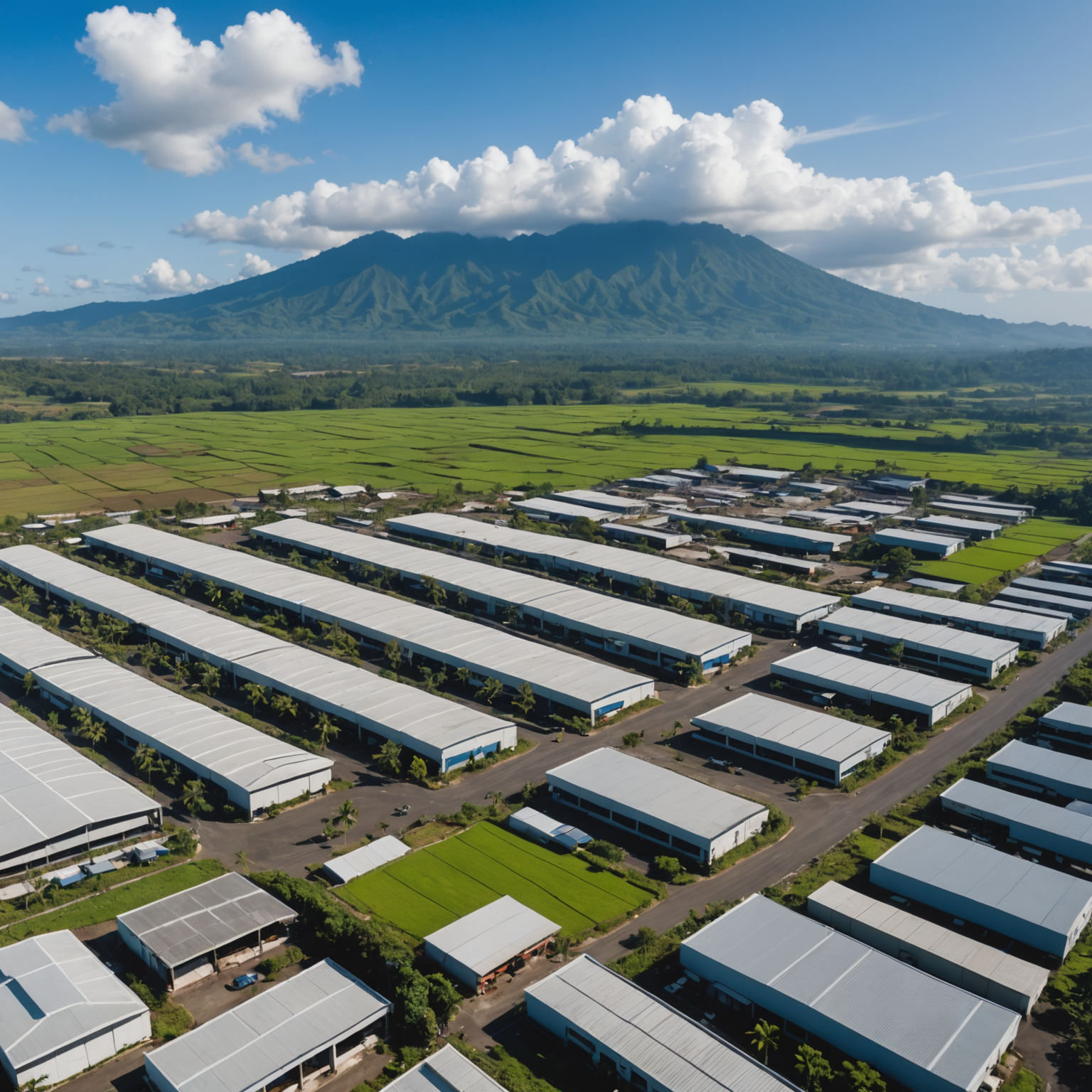
Industrial estate development plays a critical role in supporting economic growth, attracting investment, creating employment opportunities, and strengthening regional competitiveness. Across Indonesia, industrial estates have become essential platforms for manufacturing activities, logistics operations, export-oriented industries, technology investments, and supporting infrastructure development.
While regions such as Jakarta, West Java, and Batam have historically dominated industrial development, Bali and Lombok are increasingly attracting attention from investors seeking opportunities in tourism-supporting industries, food processing, sustainable manufacturing, logistics facilities, renewable energy projects, and export-oriented businesses.
As infrastructure continues improving across Bali and Lombok, industrial estate development is emerging as a strategic opportunity to diversify local economies while supporting long-term investment growth. However, successful industrial estate projects require comprehensive planning, engineering expertise, utility infrastructure, environmental management, and effective project execution strategies.
This article explores the critical factors influencing industrial estate development in Bali and Lombok while highlighting best practices that can support sustainable and competitive industrial growth.
Industry Overview
Industrial estates are planned developments designed to accommodate multiple industrial, logistics, manufacturing, warehousing, and supporting business activities within a coordinated environment. These developments typically provide shared infrastructure, utilities, transportation access, environmental management systems, and business support services.
Modern industrial estates offer advantages that individual industrial facilities often struggle to achieve independently, including economies of scale, infrastructure efficiencies, regulatory coordination, and investment attractiveness.
The Evolution of Industrial Parks
Traditional industrial zones focused primarily on land allocation and basic infrastructure. Modern industrial estates increasingly incorporate sustainability strategies, digital technologies, logistics integration, renewable energy systems, and smart infrastructure solutions.
Regional Development Opportunities
Bali and Lombok offer unique opportunities for industrial development that complement tourism, agriculture, fisheries, renewable energy, and export-oriented sectors.
Market Drivers Supporting Industrial Estate Development
Economic Diversification
Regional governments increasingly recognize the importance of diversifying economic activities beyond tourism and traditional industries.
Infrastructure Improvements
Road networks, airports, seaports, telecommunications systems, and utility infrastructure continue improving across Bali and Lombok.
Growing Domestic Demand
Indonesia’s expanding economy creates demand for manufacturing, logistics, warehousing, and distribution facilities.
Export Opportunities
Strategic locations and improving logistics infrastructure support export-oriented industrial activities.
Site Selection Considerations
Transportation Accessibility
Industrial estates should maintain efficient access to major roads, ports, airports, and logistics corridors.
Land Availability
Developers must evaluate land suitability, expansion potential, topographical conditions, and environmental constraints.
Utility Infrastructure Availability
Reliable access to electricity, water, telecommunications, and wastewater systems is essential.
Workforce Accessibility
Locations should support access to skilled labor and educational institutions.
Master Planning Strategies
Land Use Optimization
Effective master planning balances industrial facilities, logistics infrastructure, utility corridors, green spaces, and future expansion areas.
Phased Development Approaches
Phased implementation strategies help align infrastructure investments with market demand.
Future Growth Planning
Industrial estates should incorporate flexibility for future tenant requirements and technological changes.
Transportation Infrastructure Requirements
Internal Road Networks
Road systems must support heavy vehicle traffic while maintaining operational efficiency.
External Connectivity
Connections to regional transportation infrastructure significantly influence estate competitiveness.
Logistics Facilities
Warehouses, distribution centers, truck staging areas, and logistics hubs support supply chain performance.
Utility Infrastructure Planning
Electrical Infrastructure
Industrial tenants often require reliable, scalable electrical systems capable of supporting diverse operational requirements.
Water Supply Systems
Water infrastructure should accommodate manufacturing processes, operational needs, and future expansion.
Wastewater Treatment Facilities
Centralized treatment systems can improve environmental performance and operational efficiency.
Telecommunications Infrastructure
Digital connectivity is increasingly important for industrial automation, logistics coordination, and business operations.
Engineering Requirements
Site Development Engineering
Earthworks, grading, drainage systems, and land preparation activities form the foundation of industrial estate development.
Civil Infrastructure
Roads, bridges, utility corridors, and supporting infrastructure require coordinated engineering design.
Structural Considerations
Industrial facilities often require specialized structural systems capable of supporting operational requirements.
Technology Integration
Smart Infrastructure Systems
Digital technologies improve operational visibility and infrastructure management.
Industrial Automation Support
Modern estates increasingly accommodate advanced manufacturing technologies and automation systems.
Data Infrastructure
High-capacity telecommunications networks support digital business operations.
Sustainability Strategies
Renewable Energy Integration
Solar energy and other renewable technologies can reduce operational costs and environmental impacts.
Water Conservation Programs
Efficient water management supports sustainability objectives and resource security.
Green Infrastructure
Landscaping, green spaces, and environmental management systems improve overall development quality.
Construction Challenges
Infrastructure Investment Requirements
Industrial estate developments often require substantial upfront capital investment.
Regulatory Coordination
Permitting and compliance requirements may involve multiple stakeholders and government agencies.
Utility Capacity Planning
Developers must carefully align utility investments with anticipated demand.
Environmental Considerations
Environmental management requirements continue becoming increasingly important.
Project Risks
Market Demand Risks
Industrial land demand may fluctuate depending on economic conditions and investment trends.
Infrastructure Delivery Risks
Delays in supporting infrastructure can affect tenant attraction and project performance.
Cost Escalation Risks
Construction costs, material prices, and labor expenses may affect project budgets.
Operational Risks
Long-term infrastructure maintenance and utility reliability remain critical considerations.
Cost Considerations and Lifecycle Planning
Capital Investment Planning
Successful developments require balanced investment strategies that support both short-term delivery and long-term growth.
Infrastructure Maintenance
Lifecycle maintenance planning helps protect asset value and operational performance.
Asset Management Systems
Modern asset management practices improve infrastructure reliability and efficiency.
The Importance of Integrated Design-Build Delivery
Industrial estate development requires collaboration among planners, engineers, contractors, infrastructure specialists, utility providers, environmental consultants, and investors.
As industrial projects become increasingly complex, integrated design-build approaches help improve coordination, reduce execution risks, and support long-term development objectives. Companies operating within Indonesia’s construction and infrastructure sectors, including Umira Sinergi Global, contribute to industrial development initiatives through engineering coordination, infrastructure planning, construction management, and project delivery capabilities that support sustainable economic growth.
Best Practices for Industrial Estate Development
- Conduct comprehensive feasibility studies before development begins.
- Prioritize transportation and utility infrastructure planning.
- Implement phased development strategies.
- Design infrastructure with future expansion capacity.
- Integrate sustainability goals from project inception.
- Develop proactive risk management frameworks.
- Strengthen stakeholder engagement and coordination.
- Adopt long-term asset management practices.
Future Outlook
Industrial estate development across Bali and Lombok is expected to benefit from continued infrastructure investments, economic diversification initiatives, logistics improvements, and growing investor interest.
Future developments will likely place greater emphasis on sustainability, renewable energy integration, digital infrastructure, and smart industrial technologies. Industrial estates capable of supporting these trends will be better positioned to attract investment and maintain long-term competitiveness.
Conclusion
Industrial estate development represents an important opportunity to strengthen economic resilience, support business growth, and create long-term investment value across Bali and Lombok.
By combining strategic planning, engineering excellence, infrastructure reliability, sustainability initiatives, and effective project delivery, developers can create industrial estates capable of supporting future economic growth while enhancing regional competitiveness.

Leave a Reply