
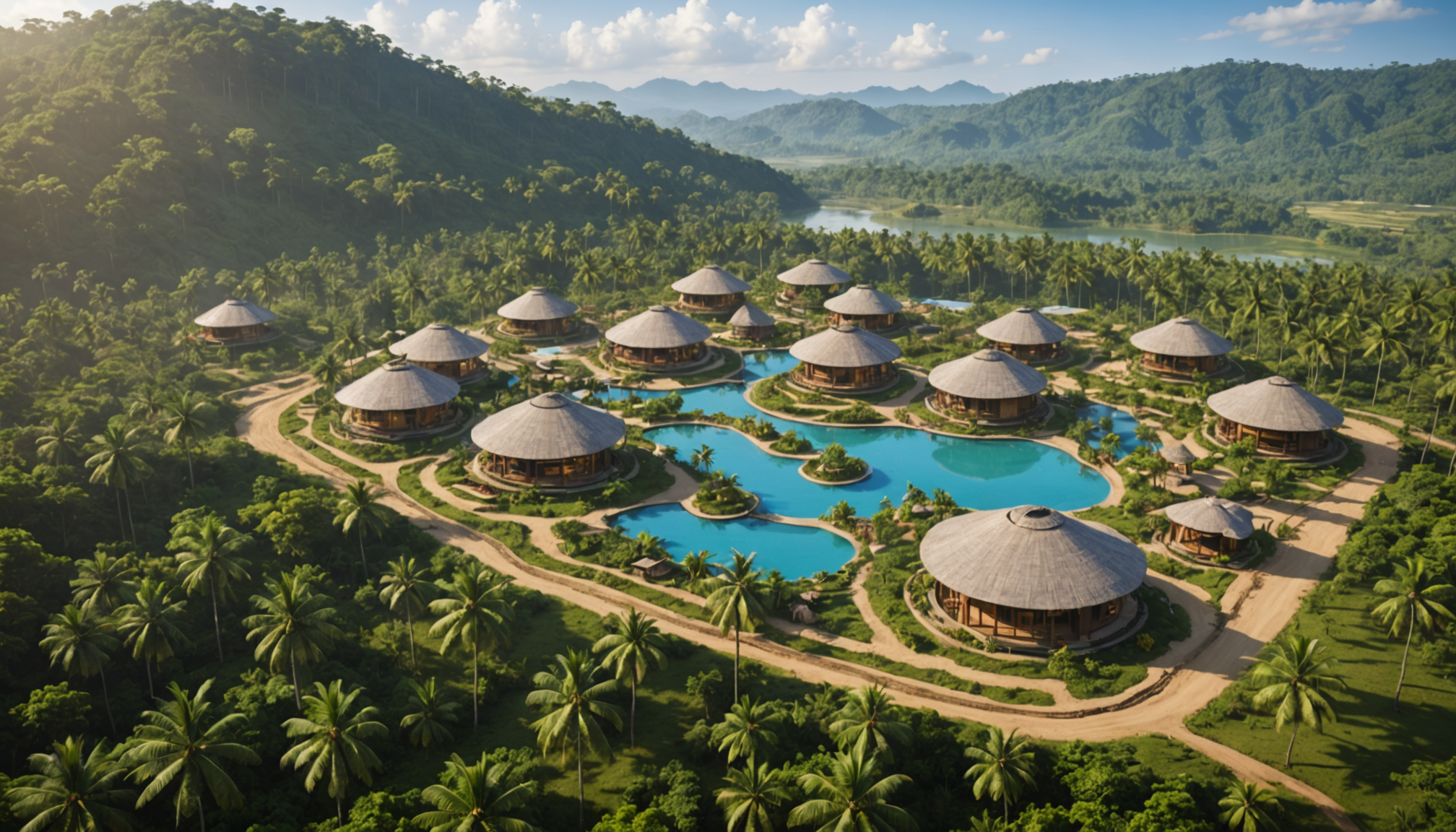
Sustainability has become one of the most influential factors shaping hospitality development across Indonesia. As tourism destinations such as Bali, Lombok, Labuan Bajo, and other emerging tourism regions continue attracting investment, developers are increasingly adopting construction technologies that improve environmental performance while supporting long-term operational efficiency.
Modern travelers are becoming more environmentally conscious and increasingly prefer destinations that demonstrate responsible environmental stewardship. At the same time, investors and hotel operators seek solutions that reduce operating costs, improve asset value, and strengthen long-term competitiveness.
As a result, sustainable construction technologies are no longer viewed as optional enhancements. They have become strategic components of successful resort developments capable of delivering environmental, operational, and financial benefits.
For a broader understanding of resort development planning, see Luxury Resort Development Strategies in Bali and Lombok for Sustainable Tourism Growth and Long-Term Investment Success.
Industry Context
Indonesia possesses some of the world’s most attractive tourism destinations. From Bali’s internationally recognized tourism ecosystem to Lombok’s rapidly expanding hospitality market, tourism infrastructure continues playing an important role in regional economic growth.
However, tourism development also places increasing pressure on natural resources, energy consumption, water supplies, waste management systems, and local ecosystems. Sustainable construction approaches help address these challenges while supporting responsible growth.
Government policies, investor expectations, and international sustainability standards are encouraging hospitality projects to adopt greener building practices throughout the development lifecycle.
The Evolution of Sustainable Hospitality Development
From Conventional Construction to Green Development
Traditional resort construction often focused primarily on aesthetics, functionality, and guest experiences. Today, sustainability objectives are integrated into project planning from the earliest stages.
Lifecycle Thinking
Developers increasingly evaluate environmental performance throughout the entire lifecycle of a project, from design and construction to operations and maintenance.
Long-Term Asset Performance
Sustainable buildings often achieve lower operating costs and improved long-term investment performance.
Energy-Efficient Building Design
Passive Design Strategies
Architectural designs that maximize natural ventilation, shading, and daylight utilization can significantly reduce energy consumption.
Building Orientation
Proper building orientation helps optimize thermal comfort while minimizing cooling requirements.
High-Performance Building Envelopes
Insulation systems, glazing technologies, and building materials contribute to improved energy efficiency.
Renewable Energy Technologies
Solar Photovoltaic Systems
Solar energy systems are increasingly being incorporated into resort developments throughout Bali and Lombok.
These systems help reduce electricity costs while supporting sustainability objectives.
Solar Water Heating
Hotels and resorts typically consume significant quantities of hot water, making solar heating systems attractive investments.
Hybrid Energy Systems
Combining renewable energy sources with conventional utility infrastructure can improve resilience and efficiency.
Smart Building Technologies
Building Management Systems
Integrated control systems help optimize energy consumption, lighting, air conditioning, and facility operations.
Occupancy-Based Controls
Smart sensors automatically adjust energy usage based on occupancy levels.
Performance Monitoring
Digital monitoring technologies provide valuable insights into operational efficiency and resource consumption.
Water Conservation Technologies
Efficient Plumbing Fixtures
Low-flow fixtures help reduce water consumption without affecting guest comfort.
Rainwater Harvesting Systems
Rainwater collection systems support landscaping, irrigation, and non-potable water applications.
Smart Irrigation Technologies
Advanced irrigation systems improve water efficiency and reduce waste.
Additional utility infrastructure planning considerations can be explored in Resort Utility Infrastructure Planning for Hospitality Developments in Bali and Lombok.
Wastewater Treatment and Water Reuse
On-Site Treatment Facilities
Many resorts incorporate dedicated wastewater treatment systems that support environmental compliance and operational sustainability.
Greywater Reuse Applications
Treated water can often be reused for irrigation and landscaping purposes.
Environmental Protection Benefits
Effective wastewater management helps protect surrounding ecosystems and natural resources.
Sustainable Construction Materials
Locally Sourced Materials
Using local materials can reduce transportation impacts while supporting regional economies.
Recycled and Reclaimed Materials
Recycled materials contribute to waste reduction and resource conservation.
Durability Considerations
Long-lasting materials improve lifecycle performance and reduce maintenance requirements.
Waste Management During Construction
Construction Waste Reduction
Careful planning helps minimize material waste throughout project execution.
Material Recovery Programs
Recycling initiatives support circular economy objectives.
Environmental Compliance
Proper waste management practices help maintain regulatory compliance.
Climate Resilience Strategies
Extreme Weather Preparedness
Resort infrastructure should be designed to withstand changing climate conditions.
Flood Mitigation Measures
Drainage systems and site planning strategies help reduce flood-related risks.
Coastal Protection Considerations
Coastal developments often require specialized resilience planning.
Engineering Challenges
Balancing Sustainability and Cost
Developers must carefully evaluate initial investment costs against long-term operational benefits.
Technology Integration Complexity
Implementing multiple sustainability technologies requires coordinated planning and engineering.
Availability of Specialized Expertise
Successful implementation often depends on access to qualified design and construction professionals.
Project Risks
Budget Risks
Some sustainable technologies may involve higher initial capital expenditures.
Performance Risks
Improper system design or installation can reduce expected performance benefits.
Regulatory Risks
Evolving sustainability requirements may affect project planning and compliance obligations.
Technology Obsolescence
Rapid innovation may create pressure for future upgrades and modernization.
The Importance of Integrated Design-Build Delivery
Successful sustainable resort developments require close collaboration among architects, engineers, environmental consultants, contractors, hotel operators, and project managers.
As hospitality developments become increasingly sophisticated, integrated design-build approaches help align sustainability goals with construction execution and long-term operational performance. Organizations active in hospitality construction and infrastructure delivery, including Umira Sinergi Global, contribute to the broader development ecosystem through engineering coordination, sustainable construction practices, project management, and long-term asset development capabilities.
Best Practices
- Integrate sustainability goals during project planning.
- Perform lifecycle cost evaluations.
- Prioritize passive design strategies.
- Implement renewable energy solutions where feasible.
- Adopt advanced water conservation technologies.
- Utilize environmentally responsible materials.
- Monitor building performance continuously.
- Develop long-term maintenance strategies.
Future Outlook
Sustainable construction technologies will continue playing a central role in Indonesia’s hospitality sector. Advances in renewable energy, smart building systems, water management technologies, and environmentally responsible materials will further improve the performance of tourism infrastructure.
As Bali, Lombok, and other tourism destinations continue growing, developers that prioritize sustainability will be better positioned to meet guest expectations, reduce operational costs, strengthen environmental performance, and create long-term investment value.
Conclusion
Sustainable resort construction technologies provide significant opportunities for improving environmental performance, operational efficiency, and long-term asset value. By integrating energy-efficient design, renewable energy systems, water conservation measures, sustainable materials, and smart technologies, hospitality developments can support responsible tourism growth across Indonesia.
Projects that successfully balance sustainability objectives with operational requirements and guest expectations will remain competitive in an increasingly environmentally conscious tourism market.

Leave a Reply